
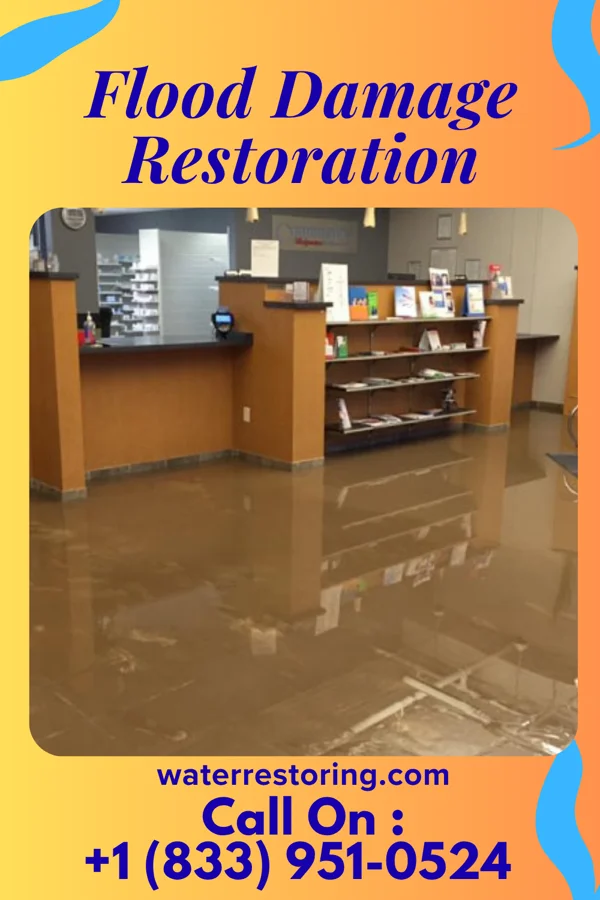
What Makes West Hampton Dunes Flood-Prone
Living in West Hampton Dunes means dealing with West Hampton Dunes is particularly vulnerable to flooding due to its low-lying coastal location and proximity to the Atlantic Ocean. Heavy rainfall and storm surges from hurricanes and nor'easters can lead to significant water intrusion, especially during high tide events. The area's sandy soil and lack of natural drainage exacerbate flood risks, making prompt restoration critical. sooner or later. The good news: water damage is fully recoverable when you catch it fast and bring in certified technicians.
The region experiences a humid subtropical climate with frequent summer thunderstorms and winter snow events. Coastal storms, such as nor'easters, often bring heavy precipitation and high winds, increasing the likelihood of flooding. Sea-level rise and climate change are also contributing to more frequent and severe flooding in the area.
Most flood damage restoration calls in West Hampton Dunes come from West Hampton Dunes is particularly vulnerable to flooding due to its low-lying coastal location and proximity to the Atlantic Ocean. Heavy rainfall and storm surges from hurricanes and nor'easters can lead to significant water intrusion, especially during high tide events. The area's sandy soil and lack of natural drainage exacerbate flood risks, making prompt restoration critical.. We specialize in Category 1 (water from clean sources), Category 2 (water from sanitary sources), and Category 3 (blackwater) damage in West Hampton Dunes. Our expertise in coastal flooding and storm surge damage ensures comprehensive and effective restoration. Local mold risk: In West Hampton Dunes, mold can begin to grow within 48 hours of water exposure, making rapid response critical. Our team is trained to act quickly to mitigate mold risks and prevent long-term health and structural issues.
For public guidance on the health effects of mold after prolonged water exposure, see the EPA mold and health page.